realtaoism by C.R. Chappell

Be Present

Taoist Mind Body Practice - Why Stillness Matters

I offer structured, authentic classical Qi Gong (Breath – Energy Work) and Classical Tai Chi Chuan in open-to-the-public group sessions, on Zoom and in person. Both approaches build balance, strength, emotional resilience, and mind-body connection. Group Qi Gong sessions are a welcoming space to experience the practice and connect with others, while private sessions allow for personal guidance tailored to your unique needs and pace. To get started, you can join a scheduled Qi Gong class or reach out directly to arrange a private session. From this base, you can then embody creativity, fluidity, and spontaneity so your practice aligns with your body’s needs in each moment. There is no one-size-fits-all. All forms are tools based on specific Taoist Principles that support a living practice for healing, awareness, and authentic expression.

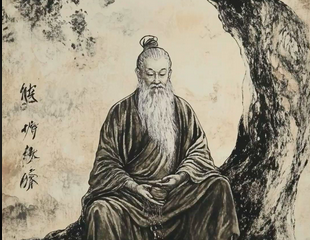
The wisdom you seek is within. Taoist practice guides you back to it—to listen, sense, and respond to what is true for you. One simple principle is Wu Wei, or “effortless action,” which means going with the natural flow and not forcing what doesn’t feel right. For example, instead of pushing yourself to always do more or be someone else, Wu Wei encourages you to notice what feels natural and to move in harmony with it. There is no dogma, no organisation, and no call to imitate anyone.

Many of us are taught to seek answers outside—to chase approval, success, or recognition. When you set aside the ego and rest in stillness, you sense the openness that is always there and a freedom to move that needs no audience.


If you would like to try a simple starting exercise, begin by sitting or standing comfortably. Let your hands rest gently at your sides or in your lap. Close your eyes or soften your gaze. Take a slow, gentle breath in through your nose. As you breathe out, notice the feeling of your feet on the floor and your body being supported. Allow your shoulders to relax. For a minute or two, simply notice the natural flow of your breath. If thoughts come, let them drift by and return your attention to your breathing and the subtle sensations in your body. This gentle pause can help you sense the openness and presence that is always available when you let go of striving.

For anyone struggling to be healthy, creative, and free, be it sportsmen, actors, and dancers, or folks simply wishing to age well, then this may be your Holy Grail. Whatever your age or ability, you are welcome. These practices are accessible to beginners and adaptable for those with limited mobility or special needs, so everyone can benefit and participate comfortably.

Join me for an introduction to my work. To get started, visit the Events section for upcoming group classes and workshops, where you can sign up directly or find schedules and details. If you would like to book a private session or have any questions, please reach out via email or the website contact form. At an event, you can expect a welcoming atmosphere, a gentle introduction to key principles, time to ask questions, and a chance to experience the practice at your own pace.


About Chris Ray Chappell

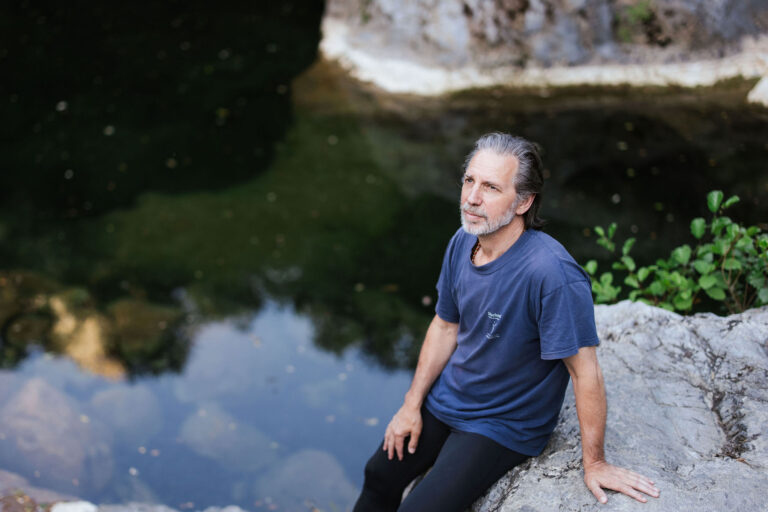
Welcome, and thank you for your interest in Taoist Internal Arts and Tibetan Mind training practices. I invite you to join me on a journey of exploration, learning, and discovery within these profound traditions. Since 1995, I have dedicated my time to teaching and researching these arts. I began visiting China in 2004 to investigate these practices firsthand via active lineages in Tai Chi, Ba Gua, Hsing-I, and Qi Gong.

Over a 50-plus-year time frame, I have trained with masters in various fields of expertise. I began with Wado Ryu Karate Do in 1973 and later studied at the legendary Earlham Street Dojo under Steve Morris in 1979/80. Later, I studied Classical Ballet at Rambert School and became a founding member of the Central School of Ballet member with Christopher Gable. In Contemporary Dance, Graham technique, I was fortunate to train with a significant principle of the Martha Graham Company, the inspirational William Louther. This diverse background has given me a unique perspective on movement, mind-body connection, and discipline. As a student, you will benefit from my integrative teaching approach, which draws from both Eastern and Western traditions to help you develop a well-rounded understanding and practice. You can expect classes that are informed by deep experience, creative insight, and a commitment to fostering both physical skill and personal growth.

I hold lineages in Tai Chi Chuan, Cheng Ba Gua Zhang, Hsing-I, and Hun Yuan Qi Gong. In traditional internal arts, holding a recognized lineage means that teachings have been passed directly from master to student through established generations, ensuring that the methods remain authentic and true to their origins. For students, this guarantees a high standard of practice and access to refined techniques and knowledge that have been carefully preserved and often not available to the public. Being an indoor student of the late Grandmaster Tian Ying Jia provided me many insights into the Yang family Tai Chi Chuan practices that are not in the public domain, which I later supplemented by private study with Master Robert Boyd, the second Disciple of the late Grandmaster Ip Tai Tak.

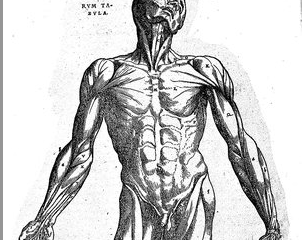
I broadened my research to include studies with Master Practitioners of Western bodywork. In the 1980s, Chris studied and taught Pilates in London. I also studied Thomas Myers’s groundbreaking myofascial Bodywork, dissection studies with Gil Headly, and Hypnoanalysis with Neil French.

I studied with several Tibetan Buddhist Rinpoches over the past 20 years, and my principal teacher was Chögyal Namkhai Norbu. I graduated in 2018 from the Martsang Kagyu Lam Rim (Mind Training) after five years of private study with HH Gangri Karma Rinpoche. Tibetan mind training, or Lojong, is a practice focused on cultivating mindfulness, compassion, and stability of mind through a series of contemplative exercises and guided meditations. In my classes, elements of Tibetan mind training are woven into the curriculum to help students develop greater self-awareness, emotional resilience, and mental clarity. These practices support personal growth by encouraging a compassionate mindset and equipping students with tools to work skillfully with thoughts and emotions, fostering both inner balance and well-being.

In the past, I have worked professionally and extensively in film and theatre as an actor, dancer, choreographer, and fight director. This performance background enriches my teaching by helping students develop greater confidence, expressiveness, and creativity in their movement. Drawing from my experience on stage and screen, I encourage students to explore new ways of embodying movement and expressing themselves, which fosters both technical skill and personal growth. My exposure to performance disciplines also allows me to share unique insights into presence, poise, and adaptability, equipping students with tools to become not only skilled practitioners but also more confident individuals.

 fu

What our clients say

“Chris Ray is a rare instructor who is able to combine an understanding of modern physiology with the traditional practices of qigong and martial arts. He draws on his deep experience of dance, martial arts, meditation and yoga to explain synchronised mind and body control in a manner that is concise and practical. Over almost two decades, I have worked with Chris and witnessed him develop his students based on their individual requirements, from rehabilitation through to peak physical and mental performance. It takes personal commitment and is not easy, but if you are looking to make profound change with a dedicated and sincere instructor, then I cannot recommend Chris Ray highly enough."
Julian McIntyre
CEO of McIntyre Partners
“Chris Chappell has an approach to the internal arts which is simple: does it work and can you learn it? In this, he follows a traditional Chinese logic. The Chinese don't ask why, they ask how. Chris combines utterly fearless practicality with a ruthless eye for perfection and a nose for bullshit. In all our China adventures, I have had to rely on him for guidance. Chris has insights into bodywork which amaze me, and his continuing education, most recently in Myo-fascial Integration, is testament to his high standards and restless search for perfection. There is no better person in England, and perhaps in Europe, who can teach Chi Gong and Tai Chi, than Chris Chappell. I am proud to call him my colleague, but he is also my mentor, and my Tai Chi Elder Brother. If it's Internal Arts you seek, look no further.”
Jan Golden
Dir. Tai Chi

Our Recent Blog Posts

Letting Go into Emptiness

Remember, it is you who are responsible for yourself. Wuji practice is only a 5-minute affair, and I encourage you to drop into the potential of Wuji anywhere at any time within reason and not when crossing the road.

Continue Reading

Lorem ipsum dolor sit amet, consectetur adipiscing elit. Ut elit tellus, luctus nec ullamcorper mattis, pulvinar dapibus leo.